For many businesses, attracting customers is only part of the challenge. Keeping them interested after they complete a purchase or finish their primary activity can be just as important. Some visitors prefer a quick stop, while others welcome opportunities to relax, socialize, or explore.
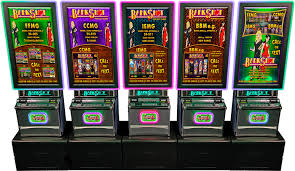
Interactive entertainment may help create those opportunities. Electronic skill games offer interested visitors an activity beyond their original reason for stopping by.Here are five ways these games may encourage longer, more enjoyable visits, along with practical considerations for different business environments.
1. Turn Idle Moments Into Optional Entertainment
Interactive games can make unoccupied moments more enjoyable by giving customers something to do. Instead of waiting without an activity, interested visitors can participate in a game while spending time at an establishment.
This approach may be useful in places where people naturally gather or spend time relaxing.
For example, someone visiting a neighborhood lounge might play a short game after finishing a meal or while waiting for friends. The activity provides an additional option without interfering with the purpose of the visit.
However, entertainment should never justify slower service.
A 2023 study published in the Journal of Retailing examined customer satisfaction across three studies. Researchers found that customers were relatively tolerant of slightly longer-than-expected waits, but satisfaction declined more sharply when waits became substantially longer than expected.
The distinction matters: enjoyable time spent voluntarily is different from time lost to unnecessary delays.
2. Create Opportunities for Social Interaction
Interactive games can provide a shared activity that encourages conversation and social interaction. Visitors may discuss challenges, watch others play, or participate with friends.
This can be particularly relevant in casual gathering spaces where socializing is already part of the experience.
For instance, a group visiting a bar might take turns playing a game, compare their approaches, or discuss a challenging level. These shared moments can make the visit more engaging for those who enjoy group activities.
Games may also provide a conversation starter for visitors who share similar interests.
Still, not everyone enjoys gaming or group participation. Some customers prefer quieter surroundings or independent activities.
Providing comfortable seating and spaces away from gaming areas allows visitors to choose how they spend their time.
3. Encourage Engagement Through Skill-Based Challenges
Games that involve concentration, decision-making, coordination, or pattern recognition can encourage active participation. Unlike activities that require only watching or listening, these games invite players to make choices and apply their abilities.
Different skill games may emphasize different types of challenges.
For example, a puzzle-based game might involve logical thinking, while a reaction-based activity could require timing and coordination.
Some visitors may enjoy learning unfamiliar game mechanics or improving their performance.
However, interest depends on individual preferences, game design, and accessibility. Not every customer will want to participate, and repeated play should never be assumed.
Businesses should consider whether games are easy to understand, appropriate for the intended audience, and comfortable to use.
The objective is to offer an enjoyable activity that customers can participate in voluntarily.
4. Make the Entertainment Area Comfortable and Accessible
Equipment placement can influence whether a gaming area feels welcoming or disruptive. Even an engaging activity may become inconvenient if machines block pathways, create excessive noise, or interfere with regular operations.
Before introducing skill gaming machines, businesses should assess available space, customer movement, lighting, and nearby seating.
Different establishments may need different arrangements.
Business environment | Potential opportunity | Practical consideration |
Convenience store | Optional activity during discretionary visits | Keep checkout areas and aisles clear |
Café or restaurant | Leisure activity after dining | Avoid disturbing seated customers |
Bar or lounge | Shared entertainment among adults | Manage noise and crowding |
Waiting-area business | Activity during available downtime | Maintain accessibility and comfort |
Accessibility is particularly important.
The U.S. Department of Justice explains that accessible routes in public-facing businesses must generally be at least three feet wide and remain unobstructed.
Equipment layouts should accommodate customers with different mobility needs while preserving access to entrances, exits, and service areas.
5. Use Customer Feedback and Dwell-Time Data to Improve the Experience
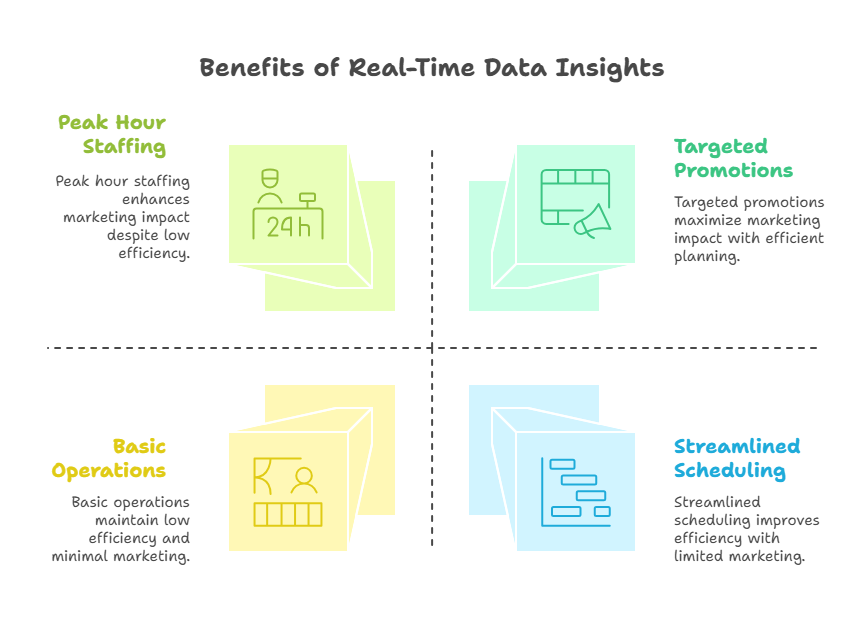
Tracking customer behavior can help businesses understand whether interactive activities contribute to a more enjoyable environment.
Customer dwell time refers to how long someone spends at a location during a visit. However, longer visits do not automatically mean customers are more satisfied.
Businesses can look for changes by comparing similar periods before and after introducing entertainment.
Useful observations include:
- Average visit duration during comparable business hours.
- How frequently customers choose to use the games.
- Whether gaming areas interfere with customer movement.
- Feedback about entertainment, noise, and comfort.
- Changes in customer satisfaction or complaints.
Although this research does not establish that gaming equipment increases dwell time, it demonstrates the importance of considering the broader customer experience.
Seasonal demand, staffing, promotions, and customer preferences can also affect visit duration. Businesses should consider these factors before attributing changes to entertainment.
When Might Electronic Skill Games Be Less Suitable?
Electronic gaming equipment may not suit every business environment. Locations with limited floor space, high customer turnover, or an emphasis on quick transactions may find that additional entertainment disrupts normal operations.
Maintenance requirements, noise, accessibility, and customer interests can also affect suitability.
Before introducing gaming equipment, businesses should evaluate their available space, daily operations, and applicable regulations.
When assessing skill game vendors, relevant considerations include equipment suitability, maintenance responsibilities, accessibility, and regulatory documentation.
The legal treatment of electronic gaming devices also varies by jurisdiction. Describing a game as skill-based does not automatically make it permissible everywhere.
Businesses should verify the requirements applicable to their location and equipment before proceeding.
Key Takeaways
- Interactive games may encourage interested customers to spend more time at an establishment.
- Social activities and skill-based challenges can create additional opportunities for engagement.
- Equipment placement should support accessibility, comfort, and normal business operations.
- Customer feedback and visit-duration data can help evaluate whether entertainment improves the overall experience.
Creating a Customer Experience Worth Staying For
Electronic skill-based entertainment may encourage longer visits when it complements the surrounding environment and matches customer interests. Its potential value comes from offering people another enjoyable activity, not simply keeping them inside a business for additional time.
The right approach depends on available space, customer preferences, accessibility, service quality, and local regulations.
Businesses can begin by observing how visitors currently use their space and identifying opportunities to make the experience more comfortable or engaging.
Ultimately, respecting customers' time and offering meaningful choices is more valuable than pursuing longer visits without a clear purpose.
Frequently Asked Questions
1. Can electronic gaming equipment work in smaller establishments?
It depends on available floor space and customer movement. Compact layouts may accommodate entertainment equipment, provided the arrangement preserves accessible pathways, essential services, and customer comfort.
2. Can customers enjoy gaming areas without participating?
Some visitors may enjoy watching gameplay or discussing challenges with others. However, spectator interest varies, and businesses should maintain comfortable alternatives for customers who prefer not to participate.
3. How can businesses measure dwell time without collecting personal information?
Businesses can use anonymous occupancy counts, voluntary customer surveys, or periodic observations. These methods provide useful insights without requiring names, contact details, or individual customer tracking.
4. Are electronic skill games legal throughout the United States?
No single rule applies to every device or jurisdiction. Legal classifications depend on game mechanics and applicable regulations. Businesses should verify local requirements, including any age restrictions.
5. What alternatives can improve the customer experience without gaming equipment?
Comfortable seating, accessible layouts, reading materials, appropriately managed background music, and other optional activities can help create inviting spaces without introducing electronic gaming equipment.